The People the Smithsonian Put on the Record
When we look at our tribal history, it’s easy to focus entirely on immediate family names. But if we want to show our continuous survival to the outside world, we have to look at the bigger picture and map the entire web.
Documenting our links to the tribe is everything.
The U.S. government has historically tried to claim individual families were isolated pockets or that our eastern bands completely dissolved after the early 1800s. To break that narrative, we need to show how our families stayed together. We need to prove that our ancestors weren’t standing alone; they were knitted into the entire social fabric of the recognized tribal core. We are definitely looking at the one tribe of people.
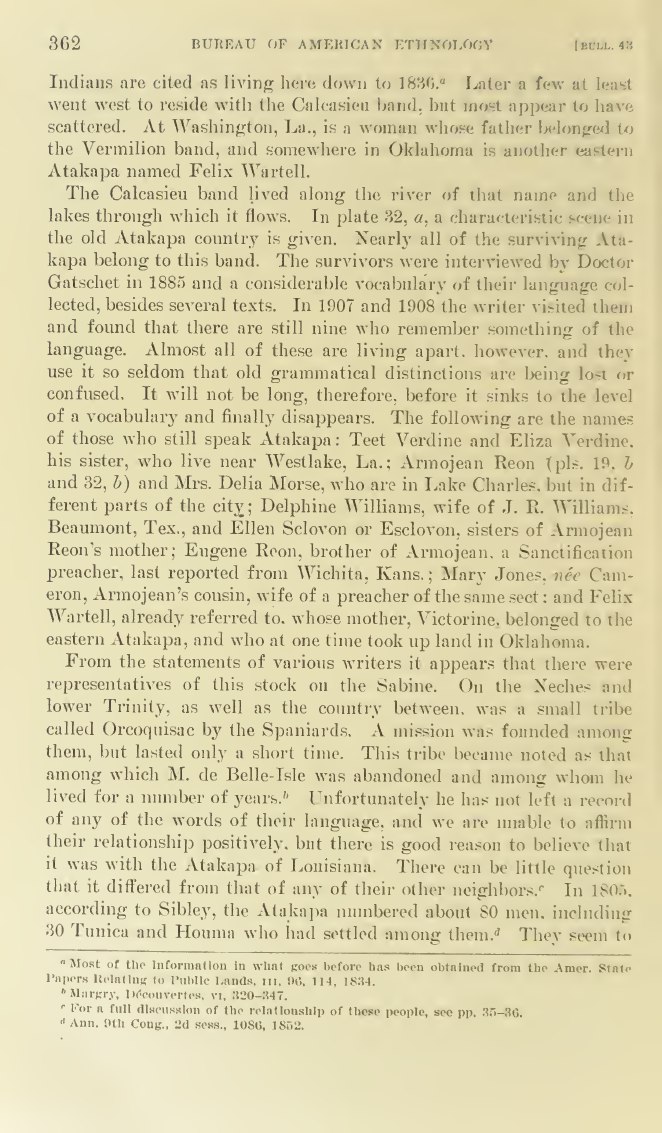
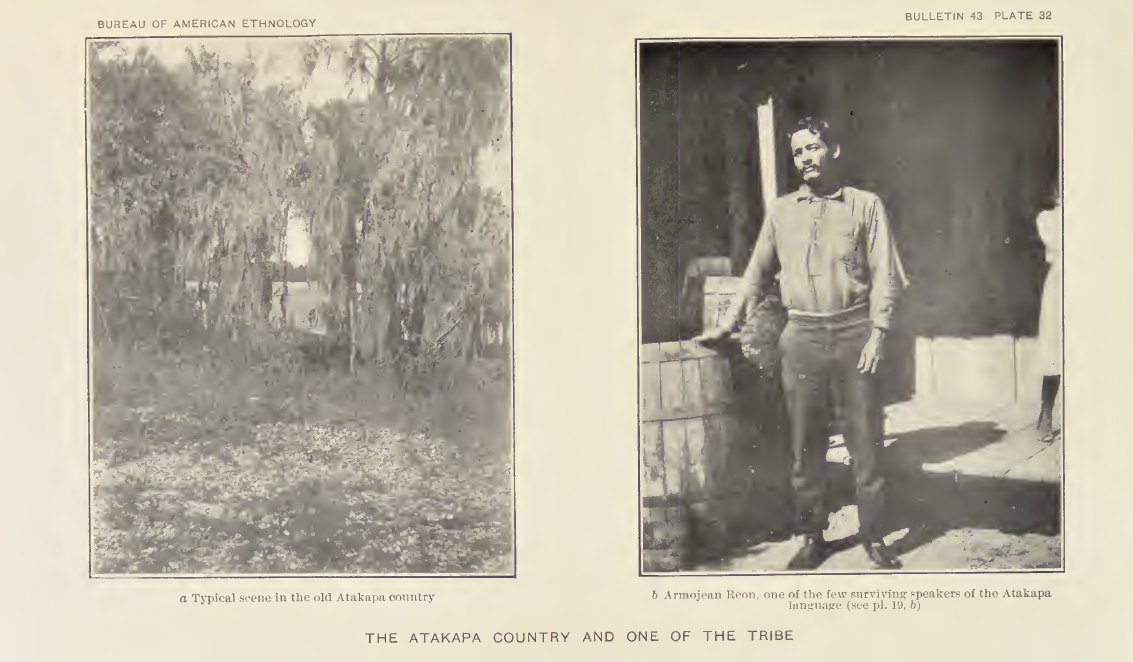
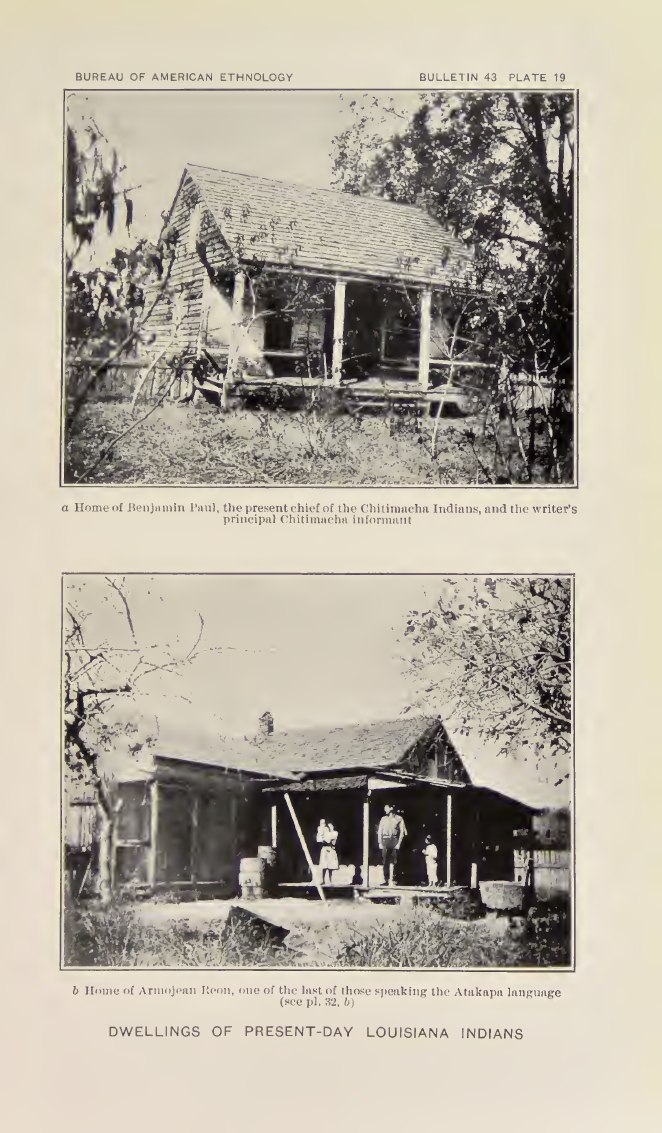
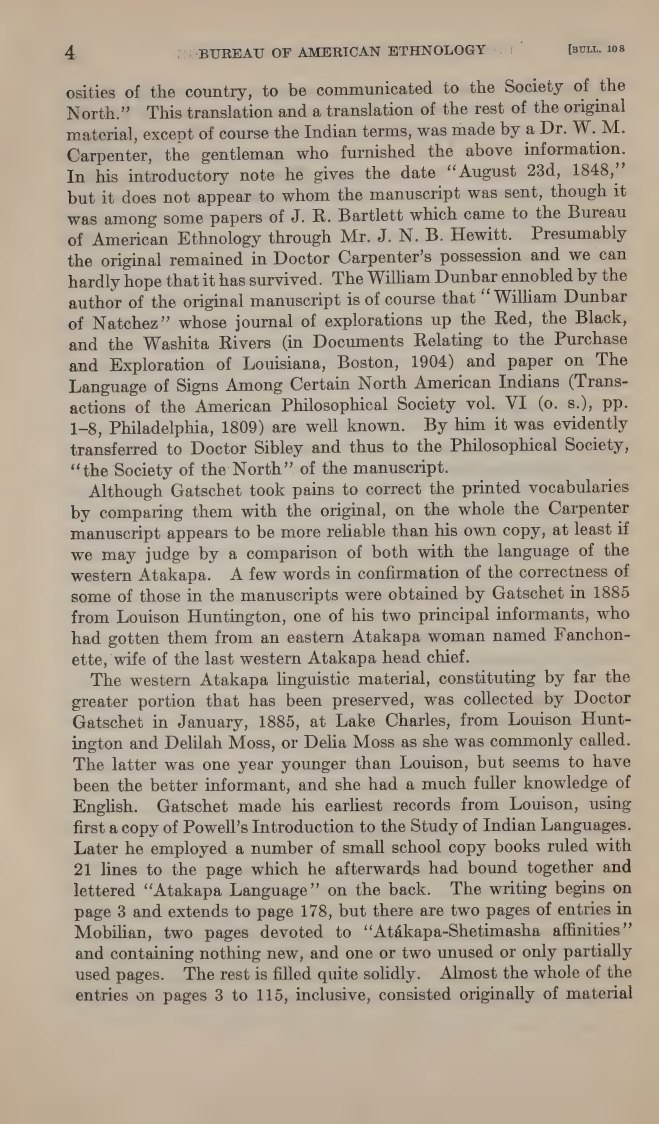
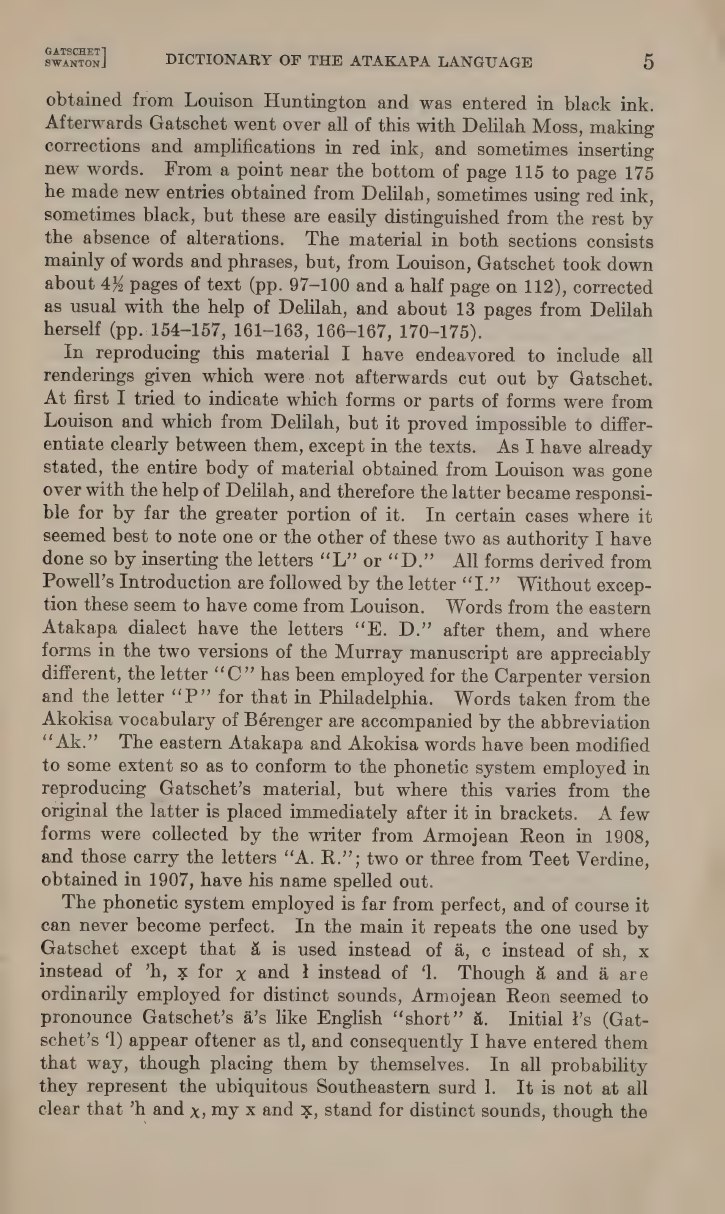
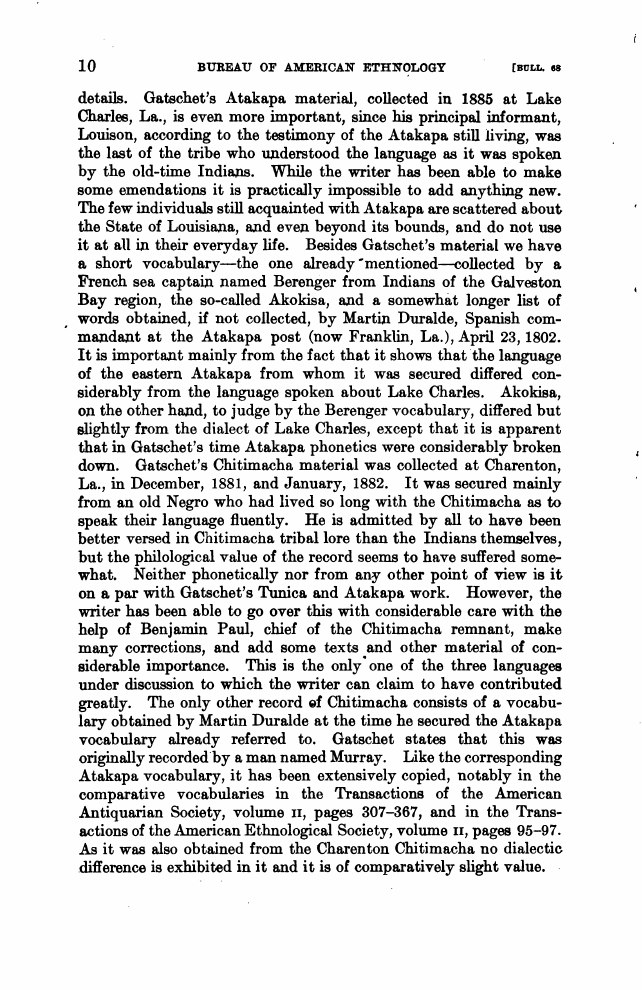
By looking outside immediate lineages and digging into cousin networks, aunts, uncles, and shared grandparents, it is entirely possible to directly connect a family tree to five of the most critical, documented historical informants our tribe has ever had: Felix Wartell, Rosemond Verdine, Hariett Delilah Moss, Onazine Reon, and Mary Cameron Jones. These are the individuals recorded by researchers from the Smithsonian Institution’s Bureau of American Ethnology as the living keepers of the Atakapa-Ishak language and identity.
These anchors are recovered by tracking various ancestral branches across a family tree:
• Connections to Felix Wartell run through the shared 17th-century Acadian roots of Jean Dominique Melançon and Marguerite Marie Dugas.
• Connections to Rosemond Verdine and Onazine Reon tie directly into the lineages of François Broussard and Marie Catherine Richard.
• Connections to 1885 linguistic informant Hariett Delilah Moss run through early ancestors Noël Langlois and Françoise Grenier, moving down through the Peltier line.
• Connections to Mary Cameron Jones run straight through the historic LeDay, Hardy, and Fontenot branches.
The fact that these foundational informants show up across our cousin networks makes our history undeniable. In a tight-knit historic community like ours, these interconnected cousin networks were the glue that kept our nation together. It proves that even when the paperwork shifted or changed our names on standard documents, our collective families were living, working, and marrying within the exact same tribal circle.
This is not about any one person’s tree; it is about showing the entire tribe how important it is to connect and do the research when it comes to our lineage. Every single one of us needs to start looking at our trees with this mindset. Don’t just look for your direct grandparents; look for the cousins, the in-laws, and the collateral matches.
When we connect our contemporary trees to the people the Smithsonian put on the record a century ago, we show a direct line of descent. We prove that we aren’t just individual families claiming an identity—we are the continuous, living continuation of a historic core. Let’s keep bringing the receipts and standing on solid ground.
Interested in enrolling or tracing your lineage?
It is vital for our future that we continue documenting our family links to the historic tribal core. If you need help getting started on your research or want to submit your lineage for enrollment, reach out directly at claytonwilliams39@yahoo.com.
First shared on Facebook, November 4, 2026.
The Documents
Sources
John R. Swanton, Indian Tribes of the Lower Mississippi Valley and Adjacent Coast of the Gulf of Mexico, Bureau of American Ethnology Bulletin 43 (Smithsonian Institution, 1911).
Albert S. Gatschet and John R. Swanton, A Dictionary of the Atakapa Language, Bureau of American Ethnology Bulletin 108 (Smithsonian Institution, 1932).
John R. Swanton, A Structural and Lexical Comparison of the Tunica, Chitimacha, and Atakapa Languages, Bureau of American Ethnology Bulletin 68 (Smithsonian Institution, 1919).
Smithsonian Institution, National Anthropological Archives: MSS 4201, 2424, 239, 1576.
Researched from the original records. Prepared with the help of AI — the documents, the citations, and the history are real.
The documented work is shared as it surfaces on Facebook.
© 2026 Clayton Antwan Williams. All rights reserved.